

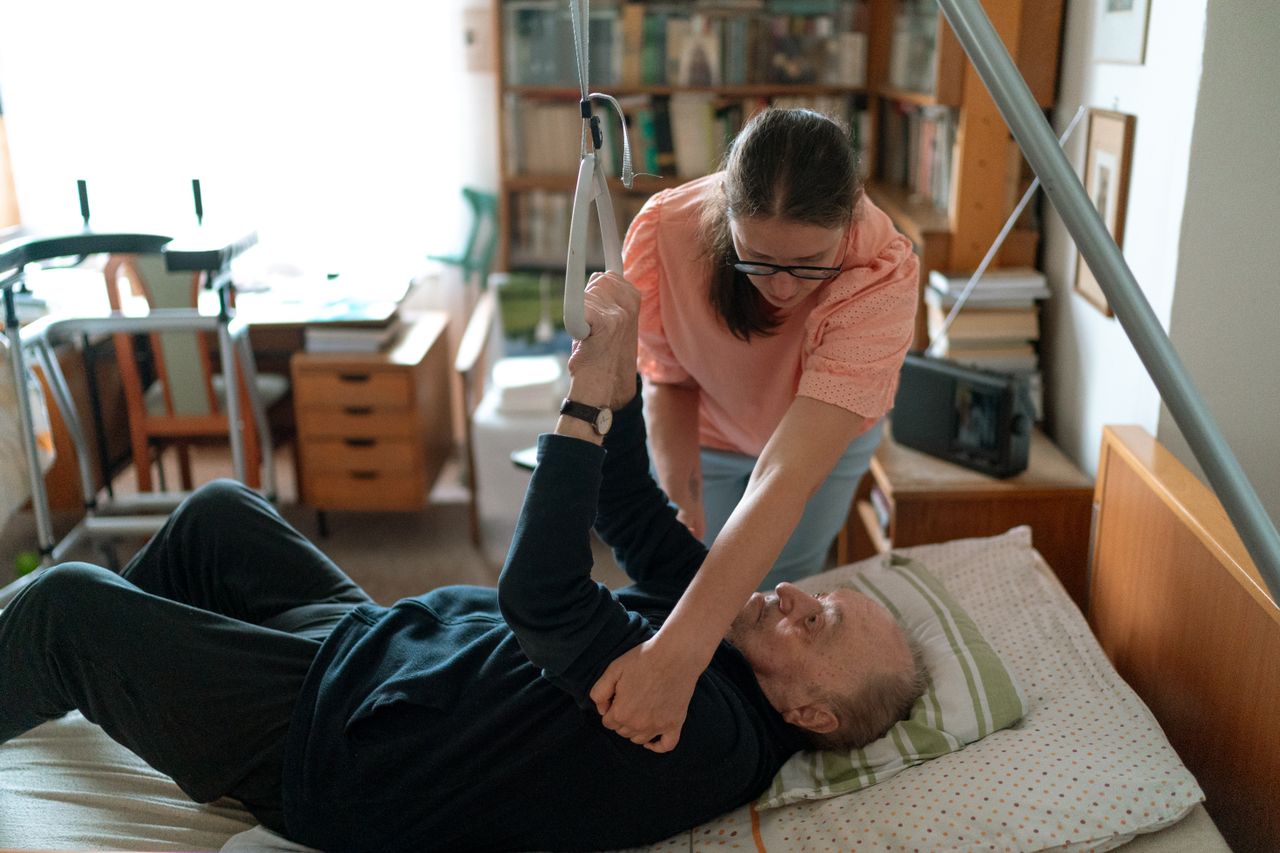
A stroke can be a life-changing medical event. While some individuals recover relatively quickly, others experience long-term complications that affect mobility, communication, memory, and the ability to perform everyday tasks. If the effects of a stroke prevent you from maintaining employment, you may qualify for Social Security Disability Insurance (SSDI) benefits.
The Social Security Administration (SSA) evaluates stroke-related disability claims based on both medical evidence and the lasting impact the condition has on your ability to work. Understanding what the SSA looks for can help you build a stronger claim.
What Is a Stroke?
A stroke occurs when blood flow to part of the brain is interrupted, depriving brain tissue of oxygen and nutrients. This can result in damage to areas of the brain responsible for movement, speech, cognition, and other essential functions.
The two primary types of stroke are:
- Ischemic stroke
- Hemorrhagic stroke
Regardless of the type, the long-term effects can vary significantly depending on the area of the brain affected and the severity of the damage.
Can You Qualify for SSDI After a Stroke?
Yes. You may qualify for SSDI if the effects of your stroke prevent you from engaging in substantial gainful activity and are expected to last at least 12 months.
Some individuals qualify because they meet the SSA’s Blue Book criteria for stroke-related impairments. Others may qualify based on the functional limitations that remain after recovery.
The key issue is not simply whether you experienced a stroke, but how the resulting impairments affect your ability to work.
How the SSA Evaluates Stroke Claims
The SSA typically reviews the lasting effects of a stroke rather than the event itself.
The agency may consider:
- Physical impairments
- Speech difficulties
- Cognitive limitations
- Neurological deficits
- Ability to perform daily activities
- Ability to maintain employment
Medical evidence must show that significant limitations continue despite treatment and rehabilitation efforts.
Common Stroke-Related Limitations
Mobility Problems
Many stroke survivors experience weakness or paralysis on one side of the body.
These limitations may affect your ability to:
- Walk
- Stand
- Climb stairs
- Lift objects
- Maintain balance
Even relatively minor mobility issues can significantly impact certain occupations.
Speech and Language Difficulties
Some strokes affect communication abilities.
You may experience:
- Difficulty speaking
- Difficulty understanding language
- Problems reading
- Problems writing
Communication challenges can create substantial workplace limitations.
Cognitive Impairment
Brain injuries caused by strokes may affect:
- Memory
- Concentration
- Problem-solving
- Decision-making
- Information processing
These impairments can make it difficult to perform even sedentary work.
Fatigue and Endurance Issues
Many stroke survivors experience ongoing fatigue that limits their ability to maintain a consistent work schedule.
Even simple daily activities may become exhausting.
Medical Evidence Needed for an SSDI Claim
Strong medical documentation is essential.
The SSA may review:
- Hospital records
- Neurological evaluations
- Brain imaging studies
- MRI scans
- CT scans
- Rehabilitation records
- Physical therapy reports
- Speech therapy records
- Occupational therapy evaluations
The agency uses these records to understand the severity of your impairments and their long-term effects.
The Importance of Rehabilitation Records
Rehabilitation records can be particularly valuable in stroke cases.
These records often document:
- Progress during recovery
- Physical limitations
- Cognitive challenges
- Functional abilities
- Ongoing restrictions
Because rehabilitation specialists frequently evaluate daily functioning, their observations can provide important evidence.
Residual Functional Capacity Assessment
If you do not meet a specific Blue Book listing, the SSA may evaluate your Residual Functional Capacity (RFC).
An RFC assessment examines what work-related activities you can still perform despite your limitations.
The SSA may consider your ability to:
- Sit
- Stand
- Walk
- Use your hands and arms
- Communicate effectively
- Follow instructions
- Concentrate on tasks
- Maintain attendance
A detailed RFC from your physician can help explain why returning to work may not be possible.
Common Reasons Stroke Claims Are Denied
Some stroke-related SSDI claims face challenges because:
- Recovery is expected within a short period
- Medical records are incomplete
- Functional limitations are not well documented
- Treatment history is inconsistent
- Evidence does not establish long-term disability
Detailed documentation can help address these concerns.
Tips for Strengthening Your SSDI Claim
If you are seeking SSDI benefits after a stroke, consider these strategies:
Maintain Consistent Medical Care
Regular treatment helps document your ongoing condition and recovery progress.
Attend Rehabilitation Sessions
Therapy records often provide valuable evidence regarding your limitations.
Document Daily Challenges
Keep records of difficulties involving mobility, memory, communication, or fatigue.
Obtain Physician Opinions
Medical professionals can explain how your impairments affect your ability to work.
Save Medical Records
Maintaining copies of important reports can help ensure your documentation is complete.
A stroke can leave lasting physical, cognitive, and communication challenges that make employment difficult or impossible. If your limitations prevent you from working for at least 12 months, SSDI benefits may be available. Strong medical evidence, rehabilitation records, and detailed documentation of your functional limitations can help strengthen your claim and improve your chances of receiving the support you need.