

SSDI Benefits for Veterans: Can You Receive VA Disability and SSDI?

Many veterans live with service-connected disabilities that affect their ability to work. If your condition prevents substantial employment, you may be eligible for SSDI benefits in addition to VA disability compensation.
Can You Receive SSDI for Fibromyalgia in 2026?

Fibromyalgia can cause widespread pain, fatigue, sleep disturbances, and cognitive difficulties that make it difficult to maintain employment. If your symptoms significantly limit your ability to work, you may qualify for SSDI benefits.
SSDI for Cancer Patients: Eligibility Throughout Treatment and Recovery

A cancer diagnosis can bring physical, emotional, and financial challenges. If cancer or its treatment prevents you from working, SSDI benefits may provide important financial support during treatment, recovery, and long-term care.
SSDI and Chronic Migraines: Can Frequent Headaches Qualify You for Benefits?

Chronic migraines can be far more than occasional headaches. For some individuals, frequent migraine attacks make it difficult to maintain a regular work schedule, concentrate on tasks, or function in a workplace. In certain situations, SSDI benefits may be available.
Winning SSDI Benefits for Individuals with Degenerative Disc Disease 2026

Degenerative disc disease can cause chronic pain, limited mobility, and difficulty performing everyday tasks. If your condition prevents you from maintaining full-time employment, you may qualify for SSDI benefits through the Social Security Administration.
How to Win Your SSDI Disability Hearing in 2026

If your SSDI claim has been denied, a disability hearing may be your next opportunity to present your case. Understanding what happens during the hearing process can help you feel more prepared and confident when the day arrives.
How Neurological Disorders Qualify for SSDI Benefits

Neurological disorders can affect movement, memory, speech, coordination, and many other essential functions. If your condition prevents you from maintaining employment, you may qualify for SSDI benefits through the Social Security Administration.
Common Reasons Your SSDI Claims Are Denied in 2026 and How to Avoid Them

Many SSDI claims are denied during the initial application process, but a denial does not necessarily mean you are ineligible for benefits. Understanding why claims are denied can help you avoid common mistakes and build a stronger case.
Working While Receiving SSDI: Understanding Trial Work Period Rules

Returning to work while receiving SSDI benefits can feel risky, especially if you are unsure how employment may affect your payments. Fortunately, Social Security offers a Trial Work Period that allows you to test your ability to work without immediately losing benefits.
SSDI Benefits After a Stroke: Eligibility and Documentation Tips
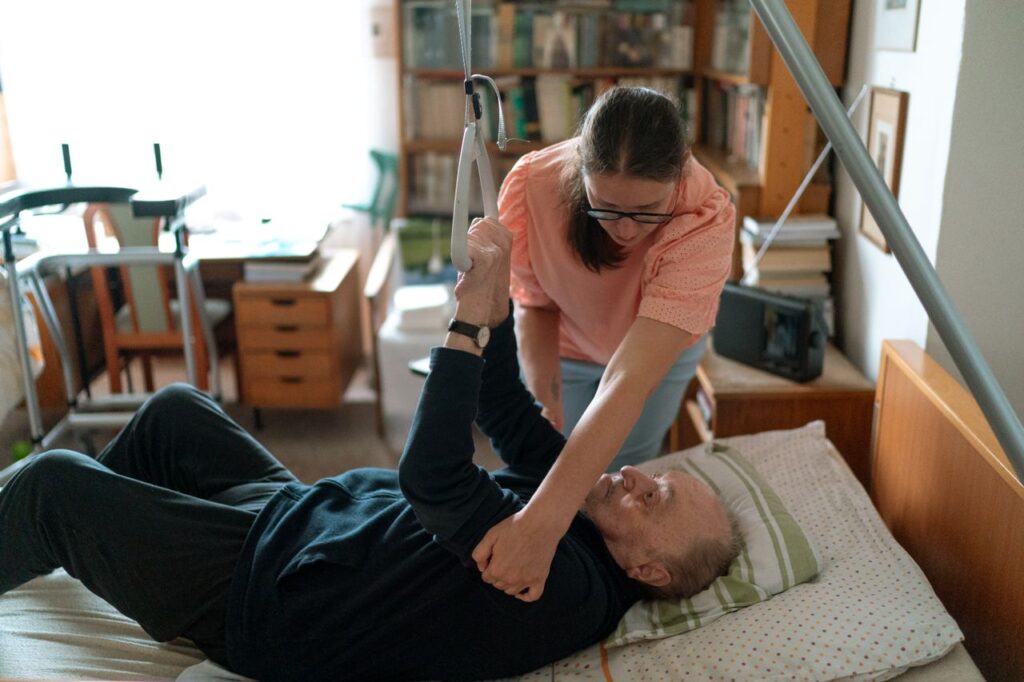
A stroke can have lasting effects on your physical abilities, speech, memory, and overall independence. If these limitations prevent you from working, SSDI benefits may provide important financial support during your recovery and beyond.