

Common Reasons Your SSDI Claims Are Denied in 2026 and How to Avoid Them

Many SSDI claims are denied during the initial application process, but a denial does not necessarily mean you are ineligible for benefits. Understanding why claims are denied can help you avoid common mistakes and build a stronger case.
Working While Receiving SSDI: Understanding Trial Work Period Rules

Returning to work while receiving SSDI benefits can feel risky, especially if you are unsure how employment may affect your payments. Fortunately, Social Security offers a Trial Work Period that allows you to test your ability to work without immediately losing benefits.
SSDI Benefits After a Stroke: Eligibility and Documentation Tips
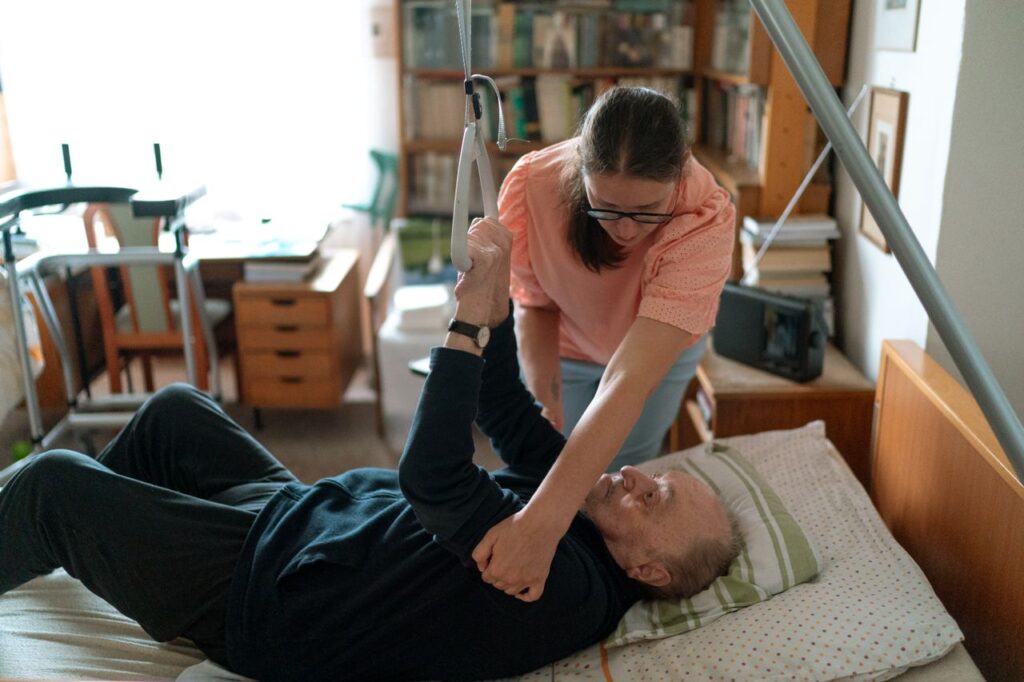
A stroke can have lasting effects on your physical abilities, speech, memory, and overall independence. If these limitations prevent you from working, SSDI benefits may provide important financial support during your recovery and beyond.
How Age Influences SSDI Disability Determinations

Age is one of several factors the Social Security Administration considers when evaluating SSDI claims. While disability benefits are not automatically granted based on age, older individuals may face different standards when their ability to adjust to new work is assessed.
Can Self-Employed Workers Receive SSDI Benefits?

Being self-employed does not prevent you from receiving SSDI benefits. However, the Social Security Administration uses unique rules to evaluate self-employment activity, making it important to understand how your work and income may affect eligibility.
The Role of Medical Evidence in Winning an SSDI Claim in 2026

Medical evidence is the foundation of every SSDI claim. No matter how severe your symptoms feel, the Social Security Administration relies heavily on medical records and documentation to determine whether you qualify for disability benefits.
SSDI for Individuals with Long COVID: What You Need to Know
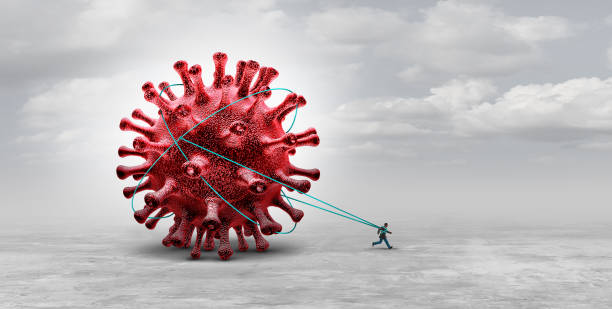
While many people recover from COVID-19 within weeks, others continue to experience symptoms for months or even years. If Long COVID prevents you from maintaining full-time employment, you may qualify for SSDI benefits
How Mental Health Conditions Affect SSDI Eligibility
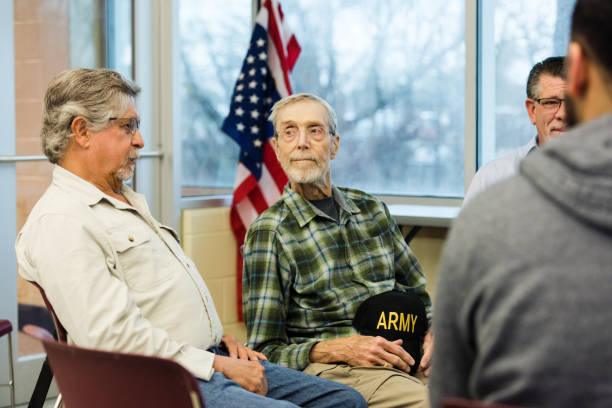
Mental health conditions can be just as disabling as physical illnesses. If symptoms such as depression, anxiety, PTSD, or bipolar disorder make it difficult for you to maintain employment, you may qualify for SSDI benefits.
Understanding SSDI Benefits for Veterans with Service-Connected Disabilities in 2026

If you are a veteran living with a service-connected disability, you may be eligible for Social Security Disability Insurance (SSDI) in addition to VA disability compensation. Understanding the differences between these programs can help you maximize the benefits available to you
SSDI Continuing Disability Review (CDR) 2026

Receiving SSDI benefits does not always mean your case is permanently closed. The Social Security Administration periodically reviews disability claims through a Continuing Disability Review (CDR) to determine whether you still qualify for benefits.