

SSDI Benefits for Nephrotic Syndrome

You may be eligible for SSDI benefits if you suffer from extreme generalized edema or massive edema, high protein in urine, anasarca or high cholesterol in urine. The SSA’s Blue Book lists nephrotic syndrome as a qualifying disability under SSA’s Blue Book Medical Listing 6.06. An individual must have nephrotic syndrome with anasarca and the […]
Qualifying for Plantar Fasciitis as a Disability?

Plantar fasciitis is one of the most common causes of heel discomfort (PLAN-tur fas-e-I-tis). Inflammation of a broad band of tissue that runs across the bottom of each foot, linking the heel bone to the toes, characterizes it (plantar fascia). Plantar fasciitis typically causes excruciating pain with your first steps in the morning. The soreness […]
Meeting the Residual Functioning Capacity Requirements for Disability Benefits

If you do not meet the criteria for a Blue Book medical listing in order to be approved for disability benefits, you may still be eligible for benefits approval with a residual functioning capacity (RFC) through the medical-vocational allowance. The RFC will be completed by your treating physician, who will specifically list any restrictions or […]
SSDI for Hematuria

It’s worrisome to see blood in your urine. Blood in the urine (hematuria) can signal a serious problem in many cases. You may notice a red colored urine if you take certain medications or eat specific foods like beets, rhubarb, or berries. However, a change in urine colour may be induced by medicines, food, or […]
How to Get Approved Benefits For Scleroderma
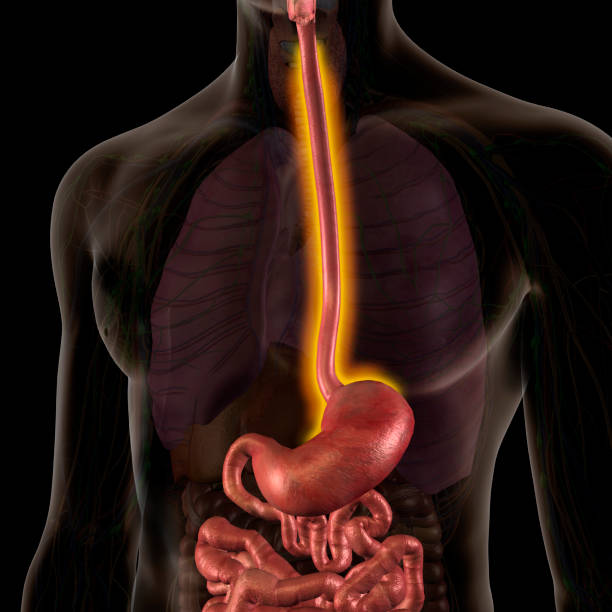
You may be eligible for Social Security disability benefits if you have scleroderma, an immune system disorder that has rendered you unable to work. Inflammation of scarring in the esophageal and pulmonary tissues can cause pain and numbness in the hands and feet, joint pain and swelling, and digestive and pulmonary issues.It is classified according […]
Qualifying for Disability for Amputees

Amputations are more common in the United States than ever before. According to the Amputee Coalition, around 2 million Americans are now limbless. At least half of those Americans had one or more limbs amputated as a result of a vascular condition such as diabetes or arterial disease, while the other half received trauma in […]
Social Security Administration’s Activities of Daily Living Form | ADL Form for SSDI

Showering, brushing your teeth, house cleaning, shopping, and other activities of daily life are all examples of activities of daily living. The Social Security Administration (SSA) wants to know if your disease causes you pain or makes it difficult for you to do any daily activities. What is an ADL Form? “Activities of daily living,” […]
SSDI for Mental Health Disorders

Each year, 1 in 5 U.S. adults experience mental illness. Out of these 1 in 25 U.S. adults live with serious mental illness (SMI). “Mental health” and “behavioral health” refer to the cognitive, behavioral, and emotional well-being of people. It all comes down to how people think, feel, and act. Whereas, health practitioners use the […]
Social Security Disability Benefits for Epilepsy

You can file a claim for Social Security disability benefits if you have been diagnosed with epilepsy and are unable to work and expect to be unable to work for at least 12 months. Disability benefits from Social Security might help you pay for things like housing, bills, food, and other necessities. A seizure can […]

Enter your text here …